
Moving to Winnipeg Canada Your Essential Relocation Guide
So, you're thinking about a move to Winnipeg? I get it. This guide is here to cut through the noise and show you why so many people are drawn to its unique mix of affordability, economic stability, and real community spirit. Think of this as your starting point for getting to know the city’s true character before you make the big decision.
Why Winnipeg Could Be Your Next Home
People often call Winnipeg the "Gateway to the West," and for good reason. It offers a compelling blend of big-city perks with a surprisingly close-knit community feel. It's a place where you can actually build a career, raise a family, and enjoy a quality of life that’s getting harder to find in Canada's bigger, more expensive cities.
This guide is meant to give you a real-world snapshot of what it's like to live here. We’ll give you an honest look at the key things you need to consider.
A Welcoming and Growing City
Winnipeg's reputation as a welcoming place is well-earned, built on a long history of multiculturalism and steady, smart growth. The city has become a top destination for newcomers, which just adds to its dynamic and diverse culture. For instance, recent census data highlighted in local news shows that immigration is the primary driver of Manitoba's population growth, with a significant number of new arrivals choosing Winnipeg as their home.
This growth isn't just a recent fluke; it’s the result of a major demographic shift over the past couple of decades. Back in 2013, for example, Winnipeg’s population hit nearly 700,000—an increase of over 55,000 people from the decade before, driven largely by immigration. This turnaround from earlier trends really highlights the city's renewed economic appeal.
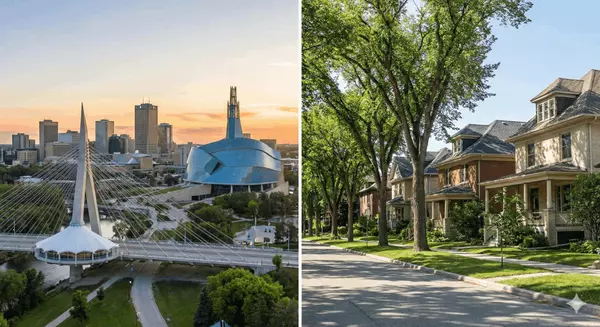
Winnipeg's strength lies in its ability to blend a stable, diversified economy with a rich cultural fabric. It's a city large enough to offer world-class attractions like the Canadian Museum for Human Rights but small enough that you can still run into your neighbour at the grocery store.
What This Guide Will Cover
To help you decide if moving to Winnipeg is the right fit, this guide will walk you through the most important parts of making the move. We'll explore:
- Neighbourhoods and Housing: From historic areas full of character like Wolseley to modern suburbs like Sage Creek, we'll help you find your perfect spot. You can even start your search now by checking out current homes for sale in Winnipeg to get a feel for the market.
- Job Opportunities and Commuting: We'll dive into the city's key industries—from aerospace to tech—and what your daily travel might look like on Bishop Grandin Boulevard or Portage Avenue.
- Family Life and Education: Learn all about the schools, activities, and resources available for families with kids, from local community clubs to major attractions like the Assiniboine Park Zoo.
- Lifestyle and Culture: Get a taste of the city’s vibrant arts scene, year-round festivals like Folklorama, and all-season activities.
Finding Your Place in Winnipeg: Neighbourhoods and Housing

Choosing the right neighbourhood is the first, and maybe most important, step to feeling at home in Winnipeg. This isn’t just about the four walls you’ll live in; it’s about finding a community that clicks with your lifestyle. Are you looking for a vibrant, walkable area where you can grab a coffee at Little Sister Coffee Maker on a whim, or a quiet, family-focused suburb with lots of green space like St. Vital Park?
Winnipeg is a city of distinct communities, each with its own personality. From the historic charm and artistic vibe of Osborne Village to the mature, tree-lined streets of River Heights, there's truly a place for every taste and budget. Let’s give you an insider's look at what life is actually like in some of the city's most sought-after areas.
A Tour of Winnipeg's Best Neighbourhoods
Picture this: you're strolling through the trendy local shops along Academy Road in River Heights, or maybe you're enjoying the cooperative spirit of the community gardens in Wolseley, affectionately known as "The WOLS." Every corner of the city offers a unique backdrop for your new life.
Here are a few highlights to get you started:
- Osborne Village: If you crave energy, this is your spot. It’s dense, walkable, and packed with independent boutiques, an incredible variety of restaurants like Baked Expectations, and a buzzing nightlife. It’s a natural fit for young professionals and anyone who wants the city at their doorstep.
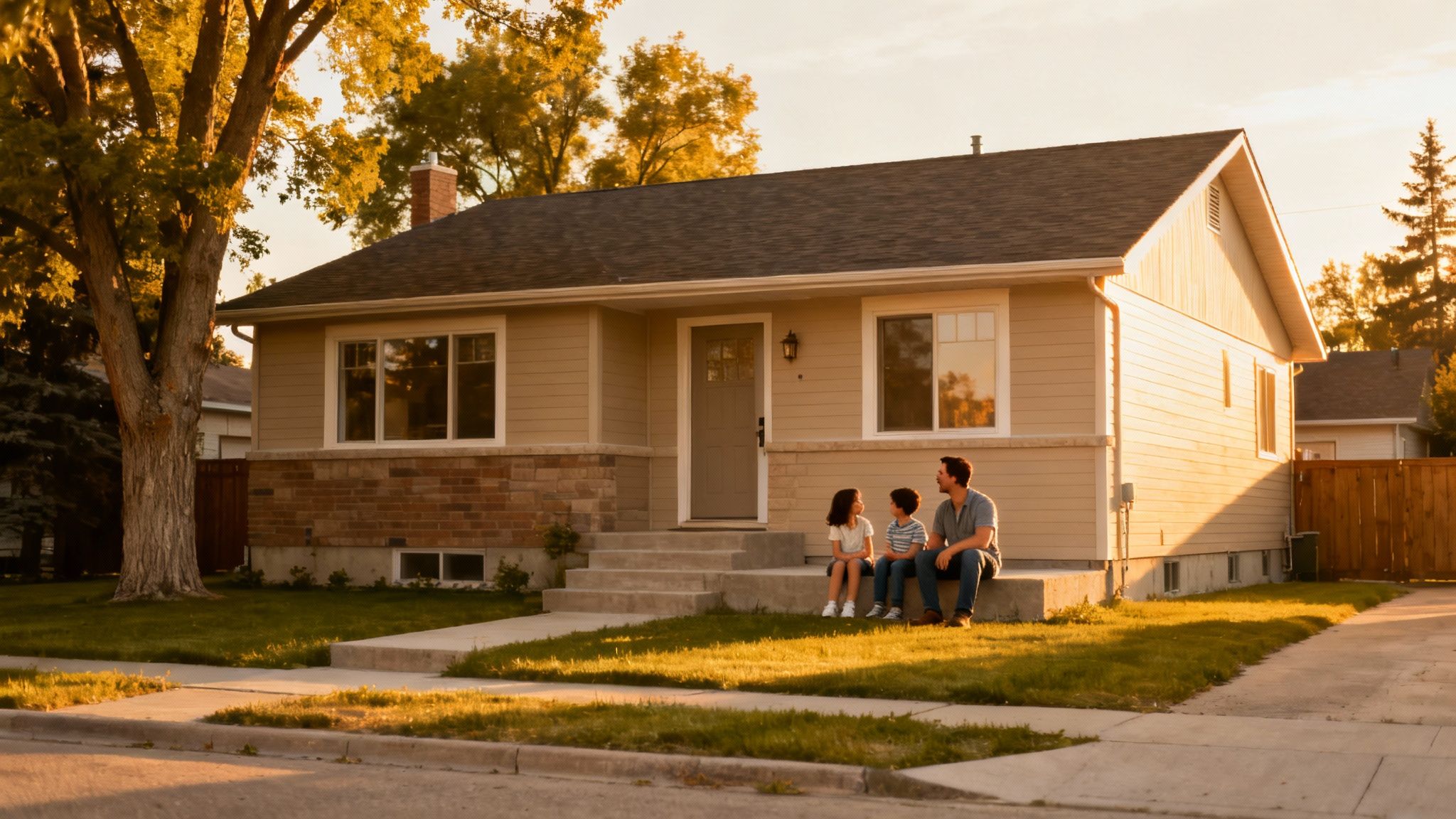
- St. Vital: A classic family-friendly suburb in the city's south end. St. Vital strikes a great balance with affordable housing, fantastic schools, and the convenience of St. Vital Centre, one of the biggest shopping malls in Winnipeg.
- Crescentwood: Right next to River Heights, Crescentwood is famous for its absolutely stunning character homes shaded by a canopy of mature elm trees. It feels quiet and established but is still just a stone's throw from the action on Corydon Avenue's "Little Italy," where you can find great patios in the summer.
A piece of advice you'll hear from locals again and again: spend a weekend exploring different areas before you even think about making an offer. A quick drive-through only shows you so much. To get the real feel of a community, walk the streets, pop into a local coffee shop like Thom Bargen, and check out the parks on a Saturday afternoon.
To help you compare your options at a glance, we've put together a quick snapshot of some popular neighbourhoods. Think of this as your starting point for discovering where you might fit best.
Winnipeg Neighborhood Snapshot Comparison
| Neighborhood | Vibe and Lifestyle | Common Housing Types | Average Price Range (Detached Home) |
|---|---|---|---|
| Osborne Village | Urban, artsy, and energetic. Highly walkable with a bustling nightlife and independent shops. | Primarily condos and apartments, with some historic character homes on the fringes. | $450,000 - $700,000+ |
| River Heights | Established, affluent, and family-oriented. Known for mature trees, beautiful parks, and boutique shopping. | Classic character homes (Tudors, Georgians), mid-century bungalows. | $500,000 - $900,000+ |
| St. Vital | Classic suburban comfort. Family-focused with great schools, shopping centres, and community clubs. | Bungalows, two-storeys, and split-levels from the 60s-80s. | $375,000 - $550,000 |
| Sage Creek | Modern, master-planned suburbia. Designed for active families with new homes, trails, and parks. | Brand new two-storeys and bungalows with modern finishes. | $550,000 - $750,000 |
| Wolseley | Bohemian, eco-conscious, and community-driven. Famous for its character homes and local co-ops. | Historic two-and-a-half-storey homes, often with original woodwork. | $350,000 - $600,000 |
| Transcona | Down-to-earth and community-proud. A "city within a city" feel with strong local roots and affordable options. | Post-war bungalows and modest two-storey homes. Great for first-time buyers. | $325,000 - $450,000 |
This table gives you a general idea, but prices and availability are always changing. The best way to understand the market is to dive in and see what's out there.
Navigating the Winnipeg Housing Market
Let's talk about one of Winnipeg's biggest draws: it remains one of Canada's most affordable major housing markets. Compared to the eye-watering prices in cities like Toronto or Vancouver, your budget goes a whole lot further here.
That affordability means you have options. You'll find everything from classic mid-century bungalows in laid-back areas like Charleswood, to historic two-and-a-half-storey homes in Wolseley, and shiny new builds in fast-growing developments like Sage Creek or Bridgwater. This variety is a huge plus for newcomers trying to find a home that fits their style and family needs.
To put it in perspective, a budget that might only get you a small condo in another Canadian city could easily secure a comfortable three-bedroom house with a yard in many fantastic Winnipeg neighbourhoods. That's a game-changer for a lot of people.
What Your Budget Gets You: A Practical Comparison
So, what can you actually buy? The average price for a detached home in Winnipeg, according to the Winnipeg Regional Real Estate Board, hovers in the low $400,000s, but that number can swing quite a bit depending on where you look.
- New Developments (e.g., Sage Creek, Bridgwater): In these modern, family-focused areas, $550,000 to $700,000 will get you a brand new three or four-bedroom family home. These communities are built from the ground up with parks, walking trails, and new schools.
- Established Character Neighbourhoods (e.g., River Heights, Crescentwood): A beautiful character home in these highly desirable areas can range from $450,000 to over $800,000, depending on its size and how much work it needs. You’re paying a premium for the mature trees, larger lots, and prime location.
- Affordable Family Areas (e.g., St. James, Transcona): In these solid, well-established communities, you can find a great bungalow or two-storey home for $350,000 to $450,000. They offer incredible value and a strong sense of community.
This mix of pricing and style is a huge part of what makes moving to Winnipeg so appealing. The best way to connect your budget to the right neighbourhood is to see what's actually on the market. You can start by exploring detailed listings for a typical single-family home for sale to see how features and prices stack up across different parts of the city.
Getting to Work: The Job Market and Daily Commute in Winnipeg
Finding a great house is one thing, but building a life you love means finding a great job and not spending all your time getting to it. This is where Winnipeg really shines. The city’s job market is one of its best-kept secrets—it’s incredibly steady, built on a mix of industries that keep it from the wild boom-and-bust cycles you see elsewhere in the country.
Winnipeg's economy isn't leaning on just one pillar. It's a healthy blend of old-school, rock-solid sectors and exciting new fields. That mix creates a resilient job market that has something for almost everyone, from engineers to entrepreneurs.
The Big Players: Key Industries and Major Employers
For decades, Winnipeg has been a powerhouse in a few key sectors that provide stable, long-term careers for thousands of people. These are the industries that form the city's economic backbone.
- Aerospace: As one of Western Canada's biggest aerospace centres, Winnipeg is home to giants like Magellan Aerospace and StandardAero. These companies are huge local employers, focusing on everything from manufacturing to repair and overhaul services.
- Advanced Manufacturing: The city has a serious manufacturing pedigree, especially when it comes to transportation. NFI Group, one of the world's top bus manufacturers, is headquartered right here, showing off Winnipeg’s industrial muscle.
- Finance and Insurance: Winnipeg is a major financial hub. Companies like Canada Life and IG Wealth Management have a massive presence, offering countless careers in insurance, investment, and financial services.
But it’s not all about the traditional players. The city’s economy is also getting a major jolt of energy from some newer industries.
The New Wave: Tech and Creative Sectors
While the legacy industries provide a solid foundation, it’s the booming tech and creative scenes that are really turning heads. This is where you’ll find a ton of new opportunities, attracting talented people from all over Canada.
Local heroes like Bold Commerce and SkipTheDishes (which was born and bred in Winnipeg) have become huge national success stories. They’ve proven you don’t need to be in Toronto or Vancouver to build a world-class tech company. That growth has created a huge demand for software developers, digital marketers, and other tech pros, making Winnipeg a surprisingly hot destination for anyone in the digital world.
You really get the best of both worlds in Winnipeg's job market. There's the security that comes from multi-generational, established companies, mixed with the dynamic buzz of a fast-growing startup scene. It’s a combination that sets you up for real, long-term career growth.
How Long is the Drive? Navigating the Daily Commute
Okay, let's talk about the daily grind—getting to work. One of the single biggest perks of living in Winnipeg is the commute. Forget the multi-hour nightmares you hear about in bigger Canadian cities; getting around here is refreshingly simple.
On a typical morning, a drive from the suburbs to the downtown core during rush hour will rarely take more than 30-45 minutes. It’s a game-changer.
Let’s break it down with some real examples:
- From Transcona (East): Heading downtown usually takes about 30 minutes, give or take, depending on traffic along Regent Avenue or Dugald Road.
- From Charleswood (West): If you're coming in via Roblin Boulevard or the Perimeter, you're looking at a 25-35 minute drive to the city centre.
- From St. Vital (South): The common routes up St. Mary's or St. Anne's Road will also get you downtown in around 30 minutes.
This isn't just a small convenience; it's a massive quality-of-life upgrade. You get back precious hours every single day that you'd otherwise lose sitting in traffic.
For those who’d rather leave the car at home, Winnipeg Transit runs a pretty extensive bus network, including a Bus Rapid Transit (BRT) system. The BLUE line, for example, is a fast, direct link from the southern suburbs and the University of Manitoba straight to downtown. While locals might grumble about reliability (especially in winter), there's a real commitment to improving the system, with ongoing investments to expand the BRT network for our growing city. For many, it's a solid, cost-effective way to get around.
When you're thinking about moving your family to Winnipeg, you're looking for more than just a house or a job. You're looking for a community that helps your family thrive, from top-notch schools to fun weekend adventures. Winnipeg really delivers here, offering a fantastic foundation for raising kids.
The city is packed with a diverse range of schools, so you can find the perfect fit for your child. But it's what happens after the school bell rings that really makes Winnipeg special—endless parks, activities, and community hubs are just waiting to be explored.
Finding the Right School
Winnipeg's public school system is broken down into several divisions, each serving different neighbourhoods. Two of the big players are the Pembina Trails School Division and the Louis Riel School Division, both known for their excellent programs and deep roots in the community.
Pembina Trails, which covers the south-central part of the city, is praised for its high academic standards and great language programs. Over in the southeast, the Louis Riel School Division is a leader in French immersion and Indigenous education, which really speaks to the city’s multicultural spirit.
One of the best things about Winnipeg's school system is how popular and widespread its French immersion programs are. Kids can start as early as Kindergarten or Grade 1, giving them an incredible opportunity to become bilingual—a huge asset in Canada.
If you're looking outside the public system, Winnipeg also has highly respected private schools. St. John's-Ravenscourt School, for instance, is famous for its demanding university-prep curriculum. This kind of variety means you can find an educational path that feels just right for your family.
Higher Education and Childcare
The learning doesn’t stop after high school. Winnipeg is a major centre for post-secondary education, so your kids will have access to fantastic options right at home.
- University of Manitoba: As the province's biggest research university, it offers a huge range of undergraduate and graduate programs.
- University of Winnipeg: Known for its intimate, small class sizes and a strong focus on liberal arts and sciences, right in the heart of downtown.
- Red River College Polytechnic: This is the place for practical, career-focused training in everything from trades and tech to the creative arts.
For those with younger children, finding good childcare is a must. Winnipeg has plenty of licensed daycare centres and home-based daycares. The Manitoba government even has an online childcare registry to help you find and apply for spots. A word to the wise: get your name on waitlists as early as you can, especially for infant spots.
So Much for Families to Do
Honestly, one of the best parts of raising a family in Winnipeg is how much there is to do together, no matter what the season. The city is practically built for family life, mixing cool urban attractions with amazing natural spaces.
Just picture what your weekends could look like:
- Exploring Assiniboine Park: This place is a family paradise. You can easily spend an entire day checking out the world-class Assiniboine Park Zoo (home to the 'Journey to Churchill' polar bear exhibit), strolling through the beautiful Leo Mol Sculpture Garden, or just letting the kids go wild at the nature playground.
- Adventures at The Forks: Right where the Red and Assiniboine rivers meet, The Forks is a hub of activity all year. Grab a bite at The Forks Market (try a cinnamon bun from Tall Grass Prairie or some fish and chips), let the kids explore the Manitoba Children's Museum, or in the winter, go for a skate along the Nestaweya River Trail.
- Life at the Community Centre: Local community centres are the true heart of Winnipeg’s neighbourhoods. They’re where you’ll find hockey and soccer leagues, art classes, and summer camps. It's the easiest way for both kids and parents to meet new people and feel plugged into the community.
Embracing the Four-Season Winnipeg Lifestyle
If you really want to get what life is like in Winnipeg, you have to understand its seasons. The city’s whole personality is shaped by four distinct, powerful seasons that influence everything from daily routines to huge city-wide parties. This is a place where locals don’t just put up with the weather—they lean into it, creating a vibrant, year-round culture that you won't find anywhere else.
Yes, the winters are cold. There’s no sugarcoating it. But what’s more important is that Winnipeggers have absolutely perfected the art of celebrating the cold. Winter isn’t a time to hide away; it’s a season for community, festivals, and getting outside.
From Winter Festivals to Summer Nights
When the temperature drops, the city truly comes alive. The best example is the Festival du Voyageur, which happens to be Western Canada's largest winter festival. Held in the historic French Quarter of St. Boniface, it’s a massive celebration of French-Canadian heritage, packed with incredible snow sculptures, live music, and that classic treat—maple taffy rolled in fresh snow.
Another amazing winter highlight is the Nestaweya River Trail. When the Assiniboine and Red Rivers freeze over, they become one of the world's longest natural skating trails. Dotted along the trail are unique warming huts designed by international architects, making for a magical experience that turns the heart of the city into a winter playground.
But then, the snow melts, and Winnipeg explodes into a spectacular summer. The days are long, sunny, and absolutely buzzing with energy.
- Winnipeg Folk Festival: For one weekend every July, thousands of people flock to Birds Hill Provincial Park for this world-renowned music festival, which showcases folk, indie, and roots artists from all over the globe.
- Fringe Theatre Festival: The Exchange District hums with creative energy during North America's second-largest Fringe Festival, offering hundreds of unique and independent theatre performances.
- Folklorama: This is a two-week festival celebrating the city's incredible multiculturalism. Different pavilions across the city showcase the food, dance, and traditions of various cultures—it's a must-do.
A City Rich in Culture and Flavour
This brings us to the very fabric of Winnipeg: its diversity. The city is a mosaic of cultures, and the best way to experience it is through its incredible food scene. You can find authentic global cuisine in the vibrant West End, chic and inventive restaurants in the historic Exchange District, or classic Italian comfort food on Corydon Avenue.
This multicultural identity is a core part of who we are. The city’s total population hit 834,678 in the 2021 census, showing steady growth built on a welcoming spirit. It's worth noting that about 12.4% of Winnipeg’s population identify as Indigenous—more than double the national average—highlighting a significant presence that shapes the city's cultural landscape. You can learn more about Winnipeg's diverse population trends on Wikipedia.
Winnipeg's lifestyle is defined by this rich blend of experiences. You can spend a Saturday morning exploring the St. Norbert Farmers' Market, an afternoon at a world-class art gallery like the WAG-Qaumajuq, and an evening cheering at a professional hockey game. It’s this variety that makes life here so engaging.
Home to Arts, Sports, and Passionate Fans
Winnipeg’s passion runs deep, especially when it comes to its arts and sports scenes. The city is home to the prestigious Royal Winnipeg Ballet, one of the oldest and most acclaimed ballet companies in North America. The arts community is strong here, supported by great venues like the Centennial Concert Hall and the Manitoba Theatre Centre.
And then there's the sports obsession. This is a city that lives and breathes with its teams.
- Winnipeg Jets (NHL): When the Jets play, the entire city rallies. The "Whiteout" during playoff games is a legendary sight, with fans creating an electric atmosphere inside the Canada Life Centre.
- Winnipeg Blue Bombers (CFL): The Blue Bombers are a cornerstone of the community, with a fiercely loyal fanbase that packs IG Field for every game, cheering on their team with unmatched enthusiasm.
This blend of seasonal celebration, cultural depth, and community passion is what makes the Winnipeg experience so special. It’s a city that offers a dynamic, fulfilling lifestyle, no matter what time of year it is.
Here is the rewritten section, designed to sound completely human-written and natural, following all your requirements.
Your Practical Checklist for Settling In
Let's be honest, the logistics of moving can feel overwhelming. But turning that chaos into a simple, step-by-step plan makes all the difference when you're relocating to Winnipeg. Think of this section as your personal roadmap for a smooth landing. We’ve broken down the must-dos into a clear timeline to keep you on track.
Getting your timing right for the move is just as important as getting used to the rhythm of the city's climate.
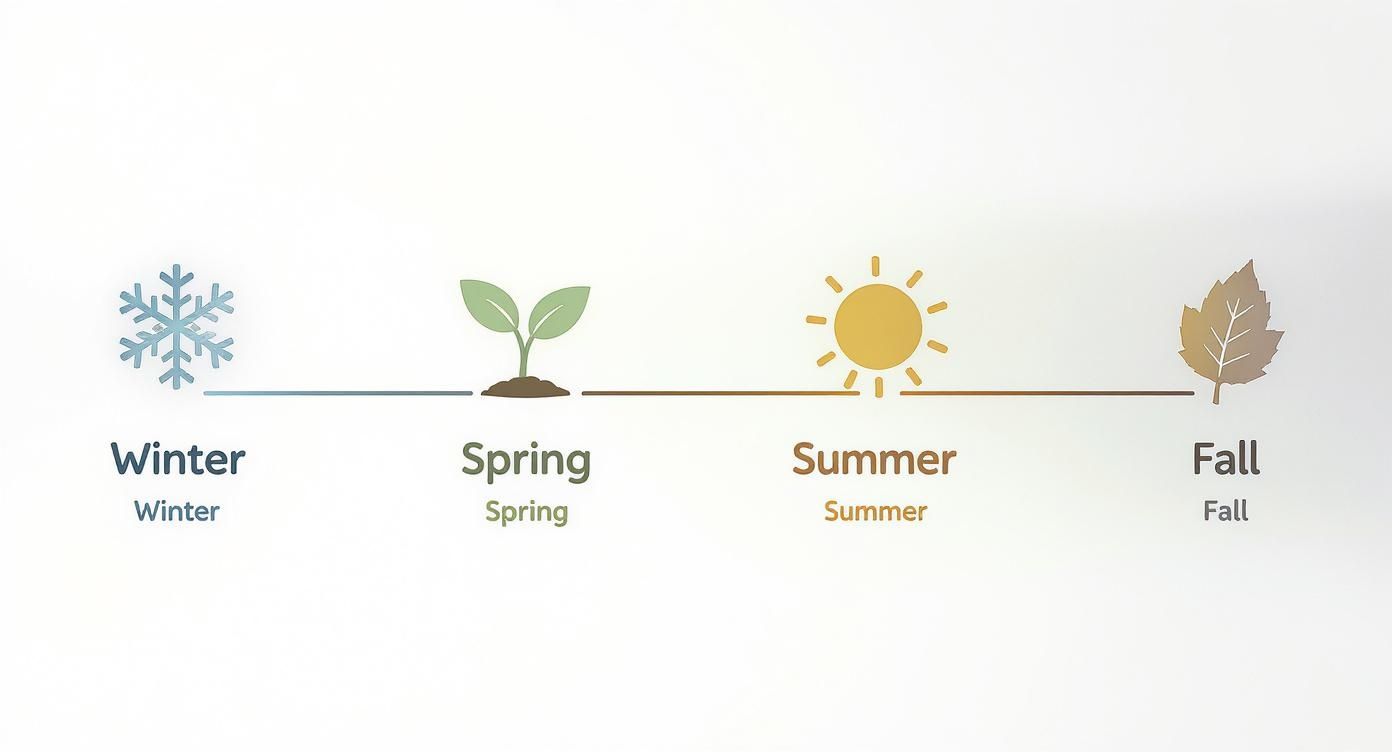
You'll quickly learn that life in Winnipeg revolves around these four distinct seasons, a cycle that locals don't just endure—they embrace.
Three Months Before Your Move
With a few months on the clock, it’s time to tackle the big-picture items. This is all about research and locking in the major plans.
- Secure Housing: If you haven't already, now's the time to finalize where you'll live. Whether you're renting or buying, getting that Winnipeg address sorted is the key that unlocks everything else.
- Book Your Movers: Good moving companies get snatched up fast, especially in the busy season. Start getting quotes and book your date well ahead of time to avoid any last-minute scrambles.
- Gather Your Documents: Round up all your essential paperwork—birth certificates, passports, immigration forms, medical records—and keep them all together in one safe, easy-to-grab spot.
One Month Out
As your moving day gets closer, the focus shifts to administrative tasks and, you guessed it, packing.
- Notify Key Parties: Give a heads-up to your bank, insurance provider, and any other important services about your move and new address.
- Arrange Utility Transfers: Get in touch with the utility providers for your new home. In Winnipeg, that means setting up accounts with Manitoba Hydro for your electricity and natural gas, and the City of Winnipeg for water.
- Start Packing: Begin with the non-essential items you won't need for the next few weeks. Do your future self a favour and label every single box with what's inside and which room it goes to.
Key Takeaway: The absolute first thing you should do upon arrival is apply for your Manitoba Health Card. You're eligible the day you become a resident, so make it priority number one to get your medical coverage in place.
Your First Week in Winnipeg
Welcome home! Your first week is all about getting officially settled and plugged into the community.
- Apply for a Health Card: Head to a Manitoba Health registration office to get your health card application in. You’ll need to bring proof of your identity, residency, and immigration status.
- Visit Manitoba Public Insurance (MPI): To drive legally here, you’ll need to get a Manitoba driver's licence. Book an appointment with MPI to swap your out-of-province licence and get your vehicle registered.
- Explore Local Resources: If you’re a newcomer to Canada, connect with amazing organizations like the Immigrant Centre Manitoba. They offer incredible support, from language classes to employment workshops, that will help you find your footing and connect with the community.
You're in good company, by the way. Winnipeg is a top destination for newcomers. In the first quarter of 2025 alone, Manitoba welcomed 24,404 immigrants over a 12-month period—a 12.21% increase from the year before, with most choosing to settle right here in the city. You can dig into more details in Winnipeg's official population report.
Finally, as you start sorting out your finances, getting a handle on your new housing costs is a must. A great next step is to use a Manitoba mortgage calculator to get a clear picture of what your monthly payments will look like.
Still Have Questions About Moving to Winnipeg?
Making a big move always leaves you with a few last-minute questions. To help you feel completely ready, we've pulled together the most common things people ask when they're thinking about a move to Winnipeg. Here are some straight-up answers to give you confidence as you finalize your plans.
Is Winnipeg a Good Place for Newcomers to Canada?
Without a doubt. Winnipeg has earned a reputation as one of Canada's most welcoming cities for immigrants, and for good reason. There’s a solid network of settlement services here, like the Immigrant Centre Manitoba, ready to help with everything from language classes to finding a job.
You can feel that welcoming spirit in the city’s growth, which is largely powered by newcomers. When you combine that with an affordable cost of living and a steady job market, you’ve got a fantastic foundation for building a new life in Canada.
What Is the Biggest Challenge of Living in Winnipeg?
Let’s be honest: the winters are the biggest learning curve for most people. The temperatures can really dip, and the season sticks around for a while. But here's the thing—locals don't just put up with it; they actually celebrate it.
Winnipeggers have turned winter living into an art form. We’ve got incredible festivals like Festival du Voyageur, skating on the Nestaweya River Trail, and more community events than you can count. The secret is to gear up properly. A great parka from a local brand like Canada Goose (which started here!), warm boots, and a few layers are non-negotiable. Once you have them, you can embrace all the unique fun the season has to offer.
A bit of local wisdom you’ll hear often: "There's no bad weather, only bad clothing." Once you're dressed for it, you'll discover that a crisp, sunny winter day in Winnipeg is actually pretty beautiful.
How Is the Public Transit System?
Winnipeg Transit runs the bus service across the city, and it’s a solid system that tons of people rely on, especially for getting downtown. The main routes are quite efficient, particularly the Bus Rapid Transit (BRT) BLUE line, which is a modern and quick link between the University of Manitoba and the city centre.
While it might not be as sprawling as the transit systems in Toronto or Vancouver, the city is continuously investing in improvements. For anyone living or working along the major bus corridors, it's a dependable and budget-friendly way to get around.
What Should I Know About Healthcare?
Manitoba’s public healthcare system gives residents access to essential hospital and doctor services at no cost. Your coverage kicks in on the very day you officially become a resident of the province.
One of the first things you'll want to do is apply for your Manitoba Health Card. Seriously, make this a top priority in your first week. It’s your key to accessing all medical services. While the public plan covers the big stuff, many employers also offer extra private insurance for things like dental, prescriptions, and glasses.
Figuring out the real estate market is one of the biggest parts of moving to Winnipeg, Canada. Having an expert who knows the area in your corner can change everything. The team at The Elias Group has a clear, proven process to help you buy or sell your home with total confidence in Winnipeg and Southeast Manitoba.
Categories
Recent Posts